The Effect of Innovative Foundry Services on Sustainable Production Practices
Innovative factory solutions play an important function ahead of time lasting manufacturing practices. By incorporating recycling technologies and energy-efficient processes, these services substantially minimize environmental influence. Foundries can reclaim valuable materials, consequently lowering dependancy on virgin sources. As automation and lean manufacturing principles get traction, production effectiveness is maximized. The complete degree of these innovations and their ramifications for the future of making continue to be to be checked out.
The Duty of Advanced Recycling Technologies in Foundries
Advanced reusing technologies are changing the landscape of foundries by enhancing product recuperation and minimizing waste. These innovative processes allow foundries to redeem useful metals and products from scrap, decreasing dependence on virgin resources. By integrating sophisticated sorting, shredding, and melting methods, foundries can successfully draw out functional materials from disposed of items, consequently promoting a circular economy.
These innovations support the manufacturing of high-grade alloys and components, guaranteeing that recycled materials meet rigid industry requirements. Because of this, factories are not only improving their product performance yet also lowering the environmental impact associated with standard production methods
This change in the direction of progressed recycling not just boosts economic viability for factories but additionally lines up with global sustainability objectives. Eventually, the incorporation of these innovations stands for a significant progression in the pursuit for sustainable production practices within the factory field.
Power Performance: Reducing Consumption in Manufacturing Processes
Power efficiency in manufacturing procedures is important for sustainable procedures. Approaches such as procedure optimization strategies, renewable energy combination, and waste warm recovery play necessary roles in decreasing energy intake. By focusing on these areas, producers can considerably decrease their ecological influence while enhancing productivity.
Process Optimization Techniques
A considerable variety of producing centers are significantly adopting procedure optimization strategies to improve energy performance and reduce intake. These techniques involve evaluating and refining manufacturing operations, recognizing traffic jams, and executing automation to improve procedures. By leveraging information analytics, makers can keep an eye on energy usage in real-time, enabling aggressive changes to reduce waste. Techniques such as Lean Manufacturing and 6 Sigma concentrate on eliminating inadequacies and optimizing source allotment. In addition, progressed technologies like Web of Points (IoT) sensing units offer understandings into devices performance, facilitating predictive maintenance that stops power loss. Overall, these procedure optimization methods not only add to lowered energy consumption however likewise cultivate a society of continuous improvement within producing atmospheres, straightening functional experiment sustainability goals.
Renewable Resource Integration
Many production facilities are significantly integrating eco-friendly energy sources to enhance general power efficiency and decrease dependence on typical power grids. This modification consists of the adoption of solar, wind, and biomass energy, which can significantly reduce operational expenses and reduce carbon impacts. By utilizing these sustainable power resources, suppliers not just decrease their environmental influence however also improve power strength. Furthermore, incorporating sustainable energy systems frequently entails sophisticated innovations such as power storage and smart grid options, which optimize energy usage and assist in real-time surveillance. This integration sustains producers in accomplishing regulatory compliance and conference sustainability objectives while promoting advancement in manufacturing procedures. Eventually, renewable resource integration represents a pivotal shift towards more sustainable manufacturing methods and long-lasting viability.
Waste Heat Healing
Incorporating renewable energy sources sets the phase for further improvements in energy effectiveness, specifically via the implementation of waste warm recuperation systems. These systems record excess thermal energy created throughout manufacturing processes, which would otherwise be lost to the setting. By repurposing this heat, foundries can significantly decrease their power intake, reduced operational expenses, and minimize their carbon footprint. The recovered warmth can be used for various applications, such as home heating, power generation, or pre-heating resources. Therefore, waste warm recuperation not just improves energy performance but additionally adds to a lasting manufacturing model. Cutting-edge factory solutions that prioritize this innovation are leading the way for an ecologically responsible industrial landscape, aligning productivity with eco-friendly stewardship.
Utilizing Eco-Friendly Materials in Factory Procedures
As the need for sustainable manufacturing practices grows, factories are progressively turning to green materials to enhance their procedures. By including lasting options, such as bio-based binders and recycled steels, shops can substantially decrease their environmental impact. These products commonly require much less power for processing and can reduce dangerous discharges throughout production.
Additionally, the adoption of green materials not only straightens with governing criteria however likewise satisfies customer choices for greener products. Factories are exploring ingenious get more options, such as using natural additives that improve mold top quality while staying non-toxic.
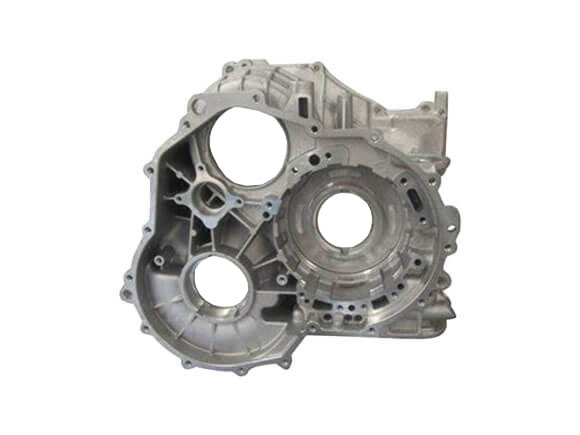
The shift to lasting products promotes a circular economic climate by advertising resource reuse and lessening waste. Additionally, this modification can boost the overall efficiency of foundry procedures, as environment-friendly products frequently show premium homes, causing improved item performance - aluminum casting. Inevitably, the application of green materials represents a crucial step towards sustainable manufacturing in the foundry this hyperlink market
Developments in Waste Management and Reduction Techniques
The shift in the direction of environment-friendly products in factory operations leads the method for improvements in waste monitoring and reduction methods. Innovative shop solutions are increasingly embracing methods that minimize waste generation and advertise recycling. Techniques such as closed-loop systems permit the reuse of materials, significantly reducing the volume of waste produced during manufacturing processes. Furthermore, developments in filtration and splitting up technologies allow the reliable recuperation of important byproducts, which can be reintegrated into the production cycle.
Furthermore, the application of real-time monitoring systems offers data-driven insights into waste generation patterns, facilitating notified decision-making to maximize resource usage. Factories are also checking out biowaste services, transforming natural waste into power or useful materials, better advertising sustainability. These technologies not only add to a circular economic situation yet additionally improve the overall ecological performance of factory procedures, emphasizing the market's commitment to reducing its eco-friendly footprint.
The Influence of Automation on Lasting Production
While lots of markets go for sustainability, automation arises as an important consider improving sustainable manufacturing methods within shops. By incorporating automated systems, foundries can accomplish greater efficiency, reduce waste, and reduced energy intake. Automated processes permit precise control over manufacturing parameters, lessening issues and remodel, which consequently preserves resources.
Automation helps with the surveillance of environmental influences, enabling real-time modifications that straighten with sustainability objectives. Advanced robotics and fabricated knowledge can enhance material use, bring about substantial decreases in scrap and emissions
Furthermore, automated innovations promote more secure functioning settings by managing dangerous tasks, thereby improving employee health while ensuring compliance with environmental policies. Overall, the fostering of automation within factories not just enhances operations yet also plays a crucial role beforehand sustainable production methods, contributing to a much more responsible commercial landscape.
Instance Studies: Successful Execution of Sustainable Factory Practices
Effective implementation of sustainable methods in shops can be illustrated through various study that highlight quantifiable results and ingenious strategies. One noteworthy example is a mid-sized factory that took on a closed-loop water recycling system, reducing water consumption by additional reading 40% and decreasing wastewater generation. Furthermore, this facility altered to making use of eco-friendly mold materials, which not only enhanced product quality yet additionally enhanced worker safety and security.
An additional considerable instance included a large shop integrating renewable resource sources, such as solar panels, which counter 30% of its energy needs. This campaign not only decreased operational prices yet additionally added to a significant decrease in carbon exhausts.
A foundry that carried out lean manufacturing methods reported a 25% rise in performance, leading to less material waste and optimized manufacturing processes. These instances collectively emphasize the tangible benefits and sustainability advancements achievable with cutting-edge factory techniques.
Regularly Asked Questions
Exactly How Do Innovative Foundry Providers Contribute to Overall Sustainability Goals?
Ingenious factory solutions improve general sustainability goals by enhancing resource use, lowering waste, and enhancing power performance. These advancements add to decrease carbon footprints and advertise ecologically accountable practices within the production field, sustaining broader sustainability initiatives.
What Are the Economic Perks of Embracing Lasting Factory Practices?
Adopting lasting shop practices can decrease operational costs, improve source performance, and boost competition. In addition, these methods can draw in eco-conscious customers and financiers, eventually causing raised success and long-lasting financial practicality for organizations.
Exactly How Can Small Foundries Carry Out Lasting Innovations Properly?
Tiny shops can carry out lasting innovations properly by taking on energy-efficient innovations, optimizing source usage, training team on sustainable practices, teaming up with providers for environment-friendly materials, and participating in continuous renovation processes to reduce waste and exhausts.
What Accreditations Exist for Sustainable Factory Workflow?

How Do Consumer Preferences Impact Sustainable Production in Foundries?
Consumer choices considerably influence lasting manufacturing in factories by driving need for eco-friendly products. As customers focus on sustainability, foundries adapt their practices, incorporating greener products and modern technologies to meet market expectations and improve their affordable advantage.
By repurposing this heat, factories can considerably reduce their energy usage, lower operational costs, and lessen their carbon impact. Factories are additionally discovering biowaste remedies, converting organic waste into power or usable products, additionally promoting sustainability. By integrating automated systems, foundries can achieve higher effectiveness, lower waste, and lower energy consumption. One more considerable situation involved a large foundry incorporating eco-friendly power resources, such as solar panels, which offset 30% of its energy needs. Ingenious shop solutions improve total sustainability objectives by optimizing source use, lowering waste, and improving power effectiveness.
Comments on “Discover the advancements in Precision aluminum casting for modern industries”